Under the patronage of the Dean of the College of Dentistry, Professor Dr. Raghad Abdul-Razzaq Mohammed
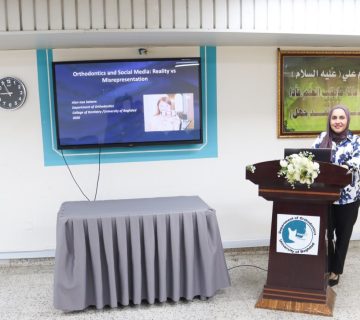
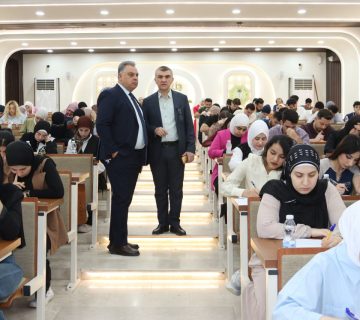
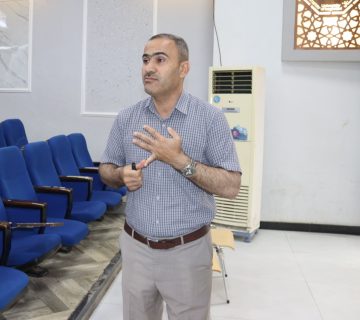
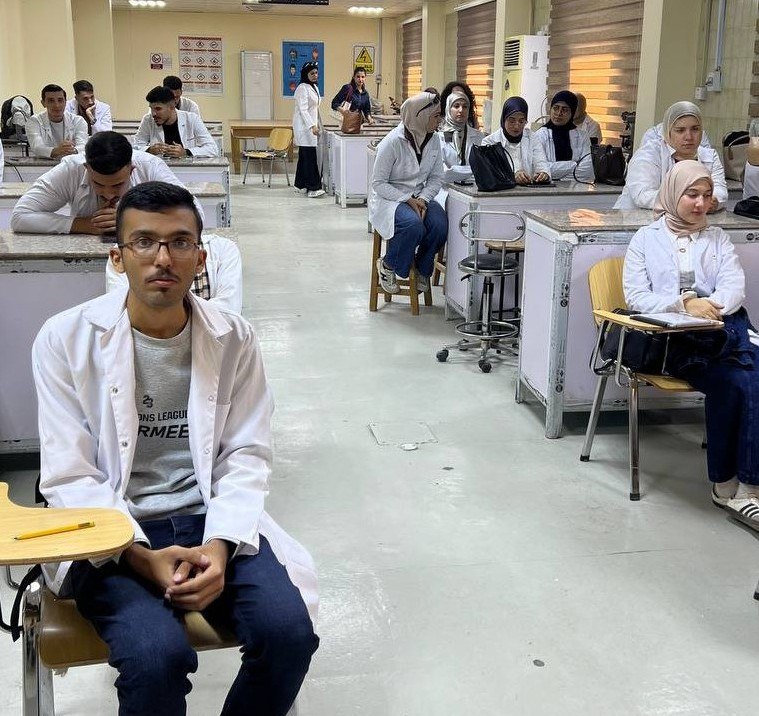
The College of Dentistry at the University of Baghdad, through its Media and Government Communication Department and in cooperation with the University Psychological Counseling Unit, organized a discussion session entitled “Drugs: Causes of Addiction and its Psychological and Social Effects.” The session was presented by postgraduate student Raghad Dhia and attended by a number of postgraduate and undergraduate students.
The discussion session aimed to analyze the reasons that drive individuals to drug addiction, review the psychological and social effects of drug use, and ultimately promote awareness and support preventive and therapeutic efforts within a conscious university and community environment.
The discussion session included several key topics, most notably:
1. The concept of drugs, the scientific definition of drugs, and the most prevalent types.
2. The causes of addiction, which included psychological and social motives, as well as economic and environmental factors related to poverty, unemployment, and the ease of access to drugs. 3. The psychological effects of drugs included anxiety, depression, behavioral disorders, impaired concentration and emotional regulation, loss of self-confidence, and deterioration of mental health.4. The social effects of drugs included the breakdown of family ties and a decline in academic and professional performance.
5. Prevention and treatment of addiction included the role of universities and educational institutions in raising awareness and providing education.
The discussion session recommended:
• Intensifying awareness seminars and sessions within educational institutions to reduce drug use among students.
• Strengthening the role of families in direct monitoring and providing psychological and behavioral support to their children.
• Implementing ongoing media campaigns to raise awareness of the dangers of addiction and its effects on individuals and society.
• Developing psychological support programs within universities and healthcare institutions to ensure early intervention.