Under the patronage of the esteemed Dean of the College of Dentistry, Professor Dr. Raghd Abdulrazzaq Mohammed,
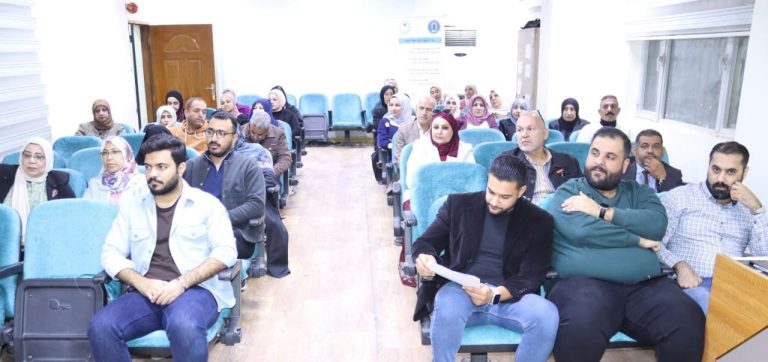
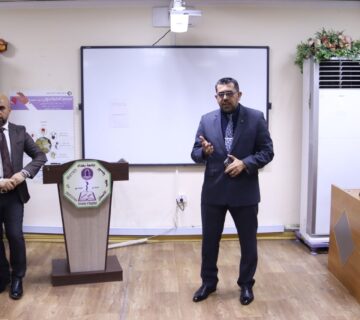
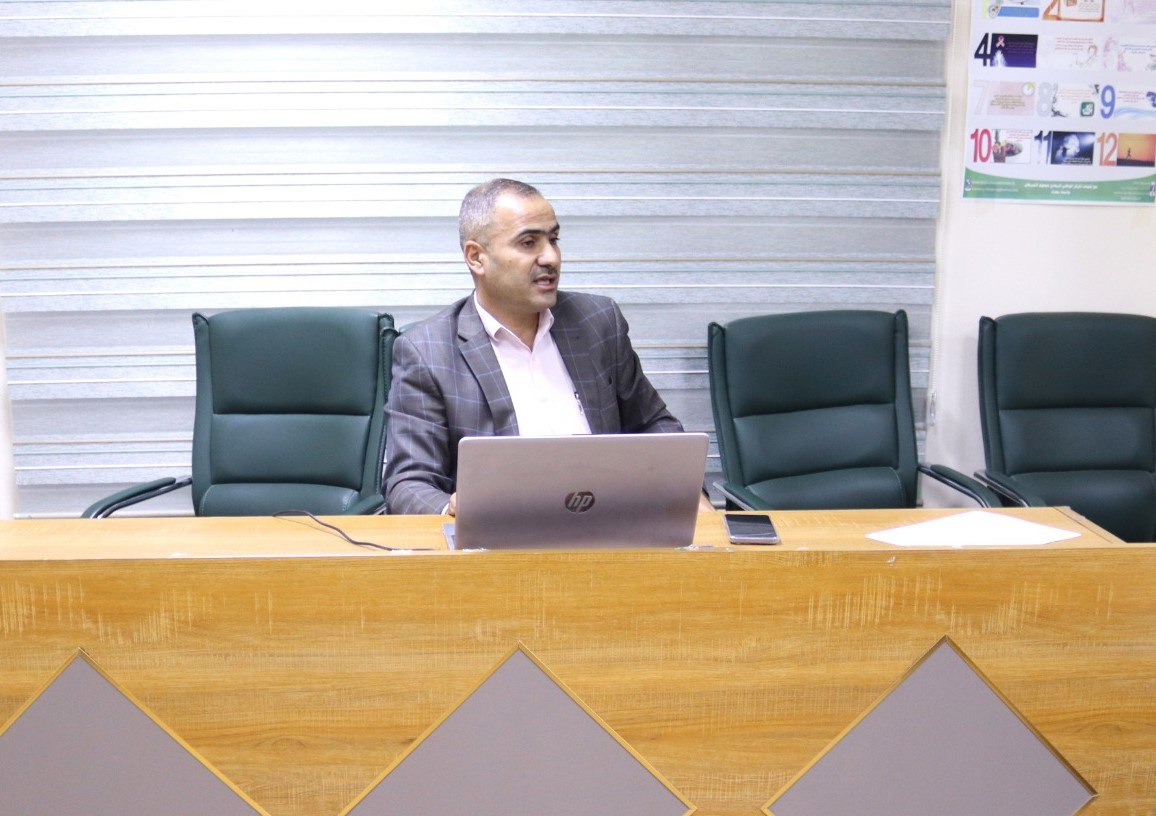
the Legal Division at the College of Dentistry, University of Baghdad, organized a symposium entitled “Administrative and Financial Corruption in Iraqi State Institutions and Ways to Address It.” The lecture was delivered by Assistant Lecturer Imad Bandar Atwan, with the attendance of several college staff members.
The symposium aimed to define the forms of administrative and financial corruption in Iraqi state institutions, analyze its causes and negative impacts on government performance and national development, and present practical solutions and reform measures to curb corruption while promoting a culture of integrity and transparency in public administration.
The symposium covered several key themes, including:
- Nature, causes, and forms of corruption — defining administrative and financial corruption, its common manifestations in government institutions, and the factors contributing to its spread and influence on administrative processes.
- Impact of corruption on governance and development — highlighting its consequences such as deterioration of public services, obstruction of strategic projects, increased financial waste, declining citizen trust in government institutions, and its negative effect on the investment environment.
- Mechanisms for combating corruption and promoting integrity — focusing on practical approaches to reduce corruption, emphasizing the importance of raising professional awareness and reinforcing values of transparency and accountability.
The symposium recommended the following:
- Promoting a culture of professional integrity through regular training programs for employees.
- Expanding the use of electronic systems to reduce human intervention and limit opportunities for manipulation.
- Strengthening government oversight bodies and granting them greater independence and authority.
- Involving civil society and media in monitoring performance and exposing cases of corruption.
Adopting merit‑based standards of competence and specialization in appointments and promotions within government institutions.