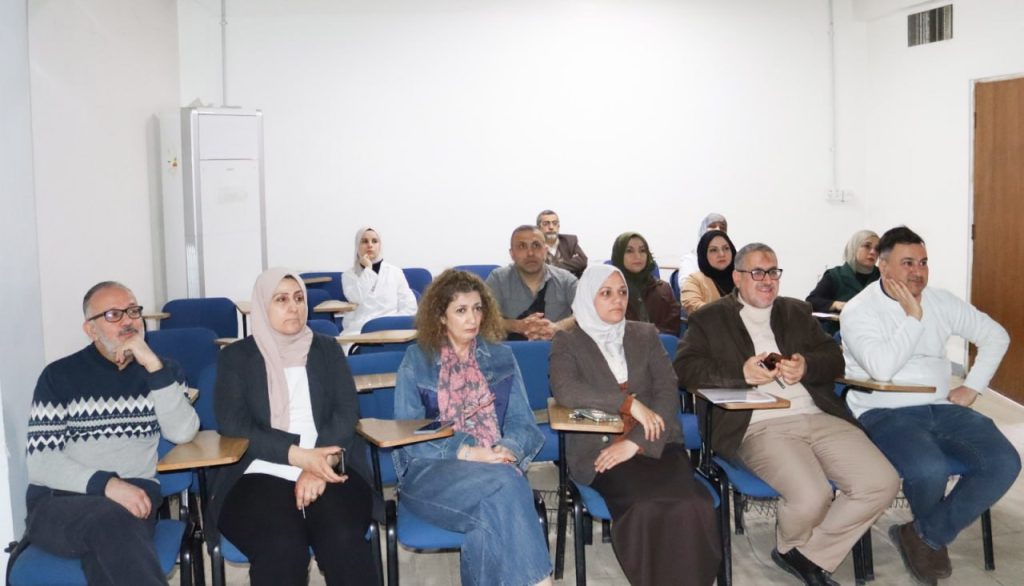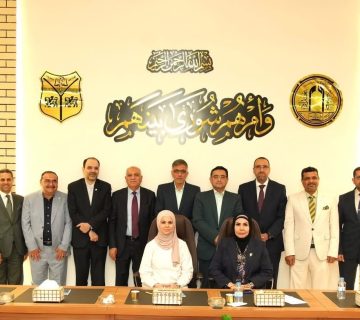
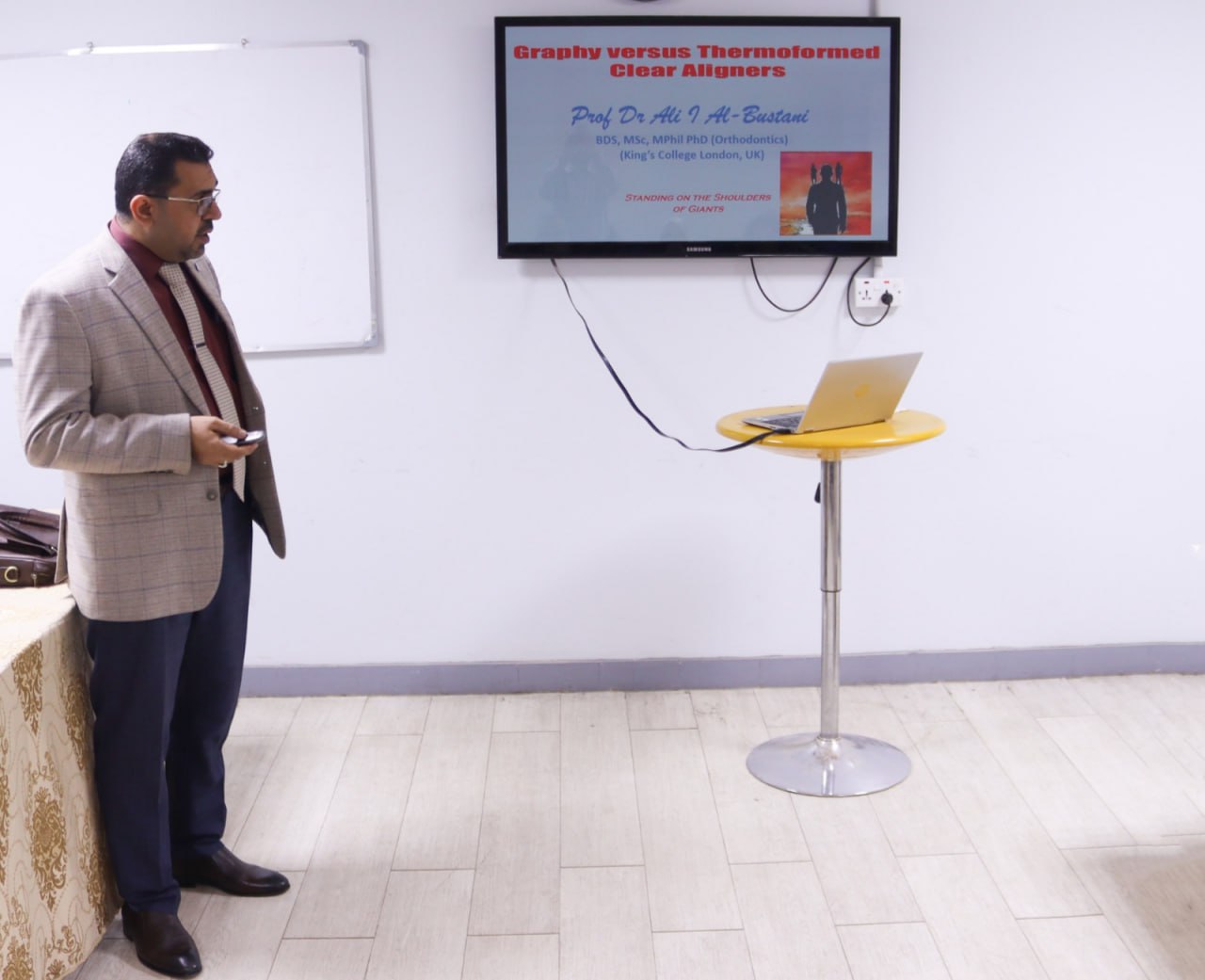
The workshop, held under the patronage of the Dean of the College of Dentistry, Professor Dr. Ali Ismail Ibrahim, was presented by Professor Dr. Ali Ismail Ibrahim and attended by a number of postgraduate students and faculty members.
The workshop aimed to highlight the scientific and clinical differences between 3D-printed (Graphy) clear aligners and those manufactured using traditional thermoforming methods. It also analyzed the properties of the materials used, the stability of the therapeutic force, the accuracy of the fit, and the impact of each technique on tooth mobility and short- and long-term treatment outcomes. This will enable orthodontists to make informed treatment decisions based on sound scientific principles. The workshop covered several topics, including an explanation of the manufacturing process of 3D-printed appliances and their mechanical and biological properties, along with a review of the manufacturing steps of thermoformed appliances and their clinical advantages. It also discussed the differences in force transfer and control of tooth movements, and the accuracy of predicting the planned movement for each technique.
The workshop addressed the impact of material type on stability, deformation resistance, and transparency, in addition to comparing treatment duration and patient comfort. Recent studies and clinical cases were presented, illustrating the practical differences between the two techniques, and the economic aspects and possibilities for modification and remanufacturing were discussed.
The workshop recommended the following:
1- Selecting the most appropriate technique based on the specific clinical case.
2- Relying on current research evidence when determining the type of appliance.
3- Developing clinicians’ skills in 3D printing techniques.
4- Staying up-to-date with scientific advancements in the field of clear aligners.