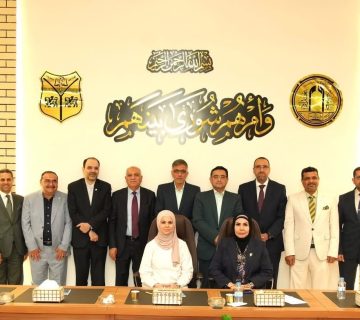
Under the patronage of the Dean of the College of Dentistry at the University of Baghdad, Professor Dr. Ali Ismail Ibrahim.
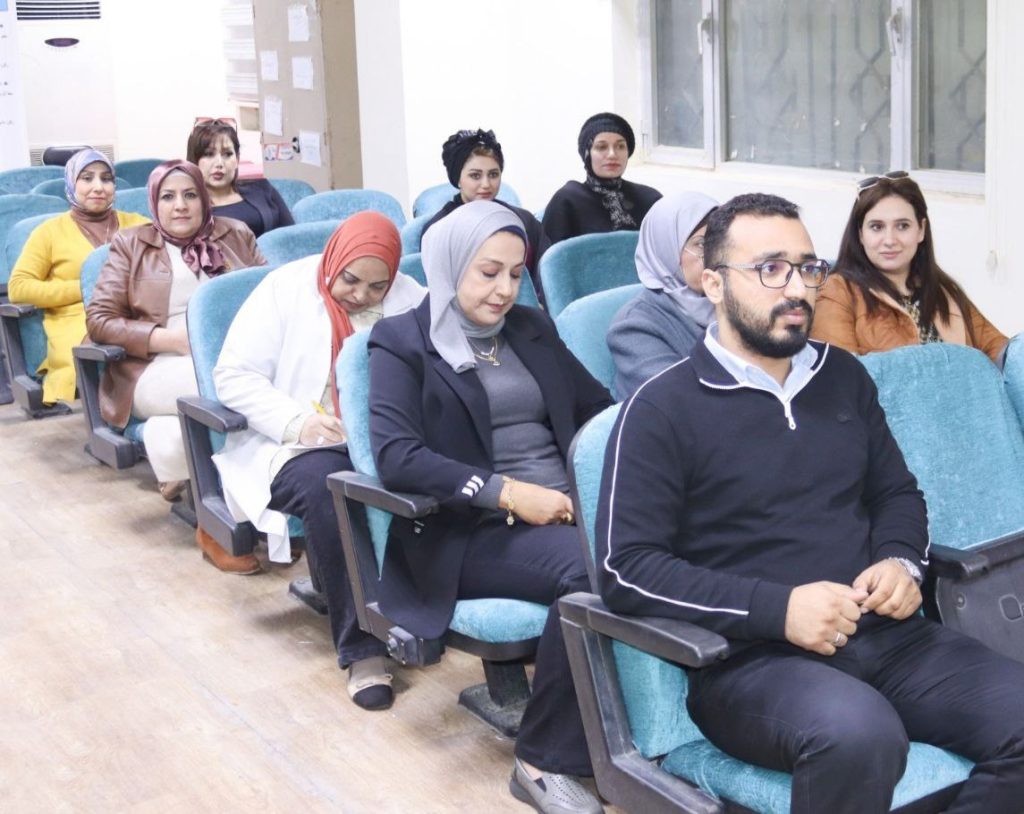
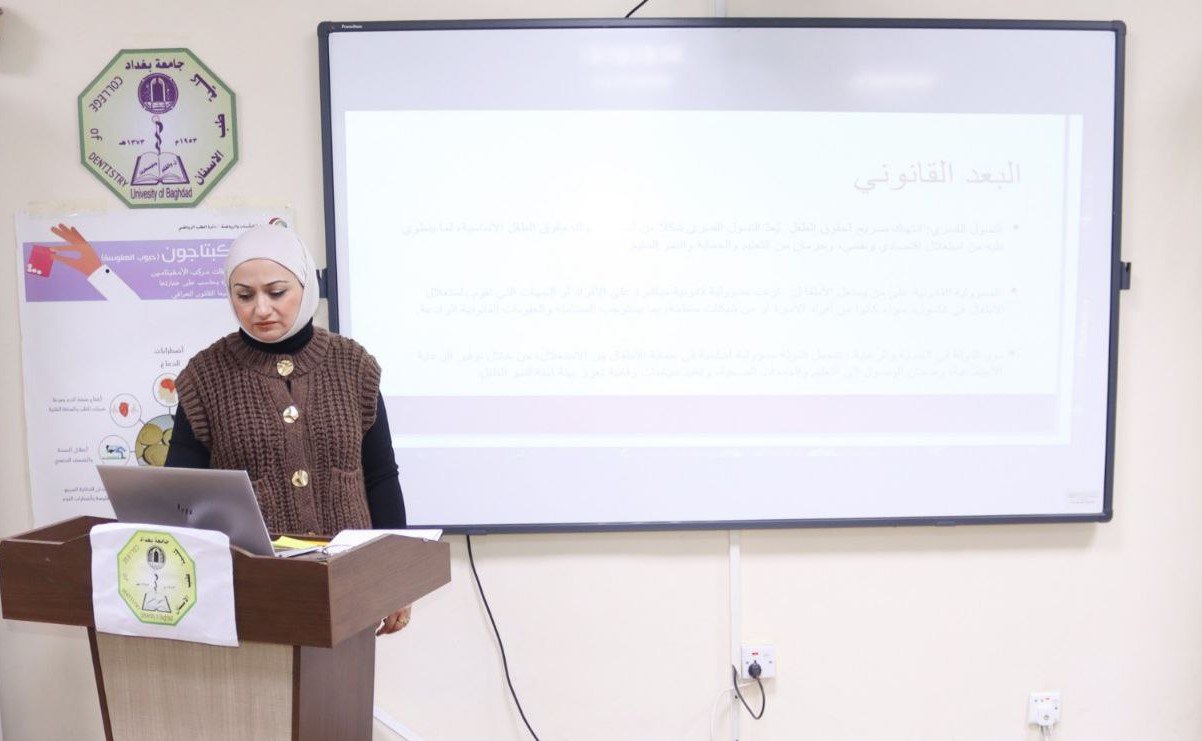
The College of Dentistry at the University of Baghdad organized a workshop entitled “The Psychological and Behavioral Effects of Begging on Children and Society,” presented by Assistant Lecturer Alaa Wael Ezzat, and attended by a number of faculty members and staff.
The workshop aimed to raise awareness about the seriousness of the phenomenon of child begging and its psychological, behavioral, and educational effects on a child’s development and personality formation. It also highlighted its negative repercussions on society and emphasized the importance of the role of families, educational institutions, and the community in preventing and reducing the spread of this phenomenon.
The workshop included several key topics, most notably:
• A comprehensive presentation of the concept of forced begging as one of the most serious forms of child rights violations.
• An explanation of the psychological, behavioral, and educational effects of forced begging on children, and its negative impact on their personality development and social future. • The legal framework for holding accountable individuals or entities that exploit children in begging.
• The role of the state and relevant institutions in providing protection and social care.
• The role of the family and community in preventing this phenomenon of begging.
• Enhancing community awareness of children’s rights and ways to reduce the spread of forced begging.
The workshop recommended the need to intensify governmental and community efforts to combat the phenomenon of forced begging among children by activating deterrent laws against exploitative entities and individuals, strengthening social protection programs, ensuring the integration of child beggars into the educational system, and launching awareness campaigns that contribute to raising awareness of children’s rights and the importance of providing a safe environment that guarantees their sound psychological and behavioral development.