A research study entitled “Three-Dimensional Measurement for Evaluating the Sealing Quality of Bioceramic Materials in Filling Internal Root Resorption Cavities Using Different Obturation Techniques” was published by Assistant Professor Dr. Ahmed Hamed Ali, Head of the Department of Conservative and Esthetic Dentistry, and Master’s student Ammar Mutashar Sharqi from the College of Dentistry, University of Baghdad.
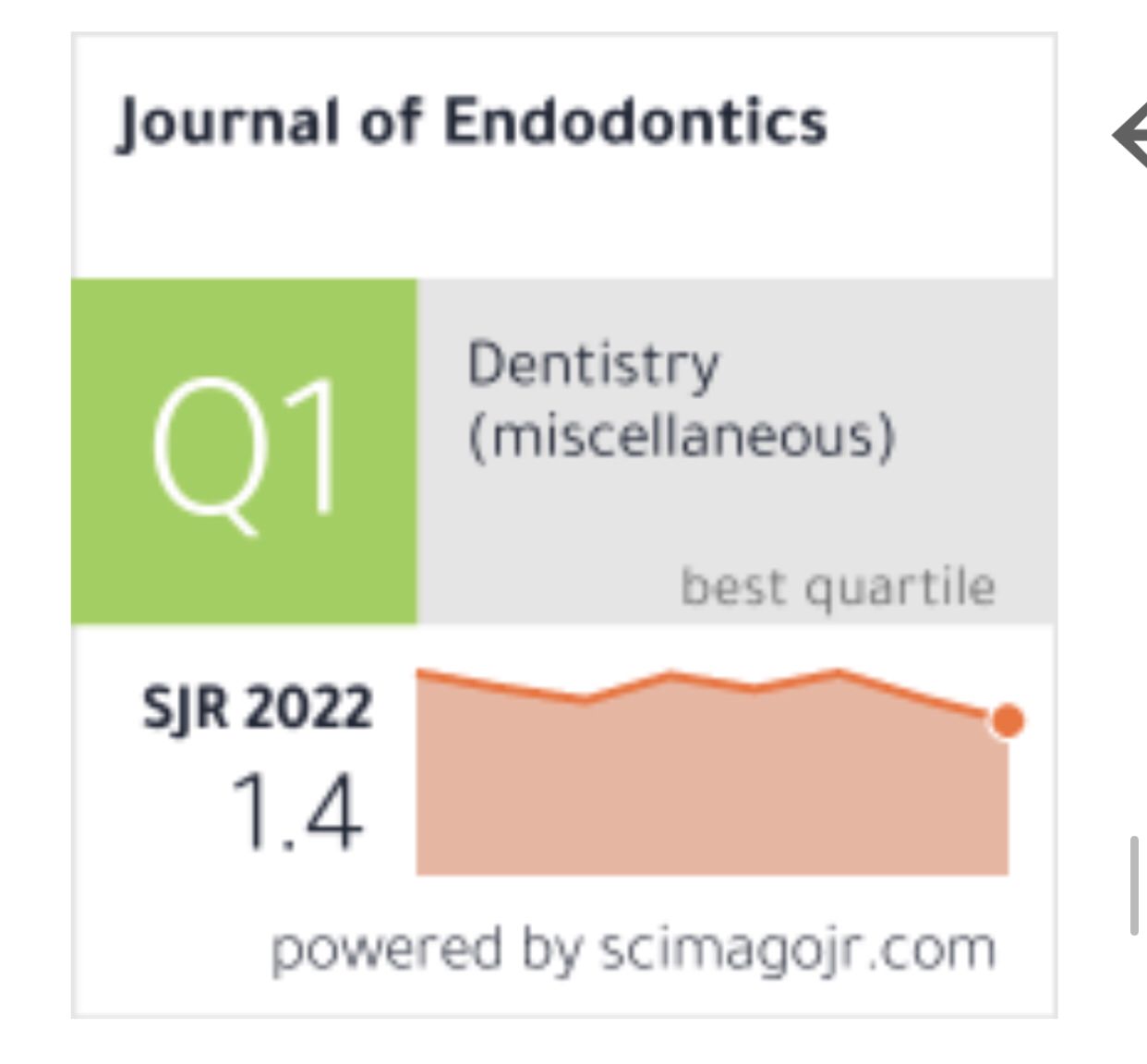
The research was published in the Journal of Endodontics in the United States, a journal issued by the American Association of Endodontists, and ranked among the top ten dental journals worldwide. The journal is classified as Scopus Q1.
Study Objective:
The study aimed to evaluate and compare the quality of root canal obturation by measuring the percentage of filling volume in root canals with artificially created internal root resorption cavities. Different materials and obturation techniques were assessed using three-dimensional Cone Beam Computed Tomography (CBCT).
Methodology:
The study was conducted experimentally on extracted teeth using advanced computer software to measure the accuracy of root canal obturation in teeth affected by internal root resorption. The techniques evaluated included:
• Single-cone technique
• Cold lateral compaction with Bio-C Sealer
• Continuous wave compaction
• Bulk-fill technique
Three-dimensional CBCT imaging was used as a non-destructive and indirect method to measure the quality of obturation.
Results:
The findings demonstrated the importance, benefit, and accuracy of three-dimensional measurement in assessing root canal fillings in teeth with internal root resorption. The study showed that some techniques were unable to completely seal the voids created by internal resorption.
Recommendations:
The study recommended the use of:
• Continuous wave compaction technique
• Bio-C Sealer material
• Single-cone technique
These methods proved to be more effective for managing internal root resorption compared to the bulk-fill technique.