Under the patronage of the Dean of the College of Dentistry at the University of Baghdad, Professor Dr. Ali Ismail Ibrahim.
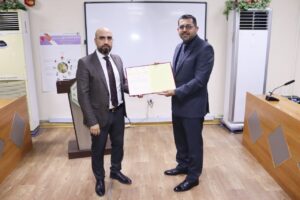
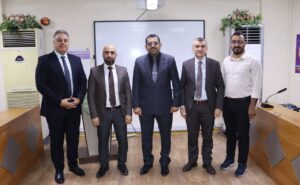
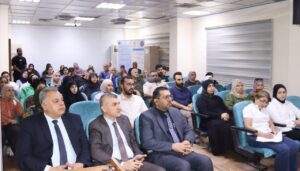
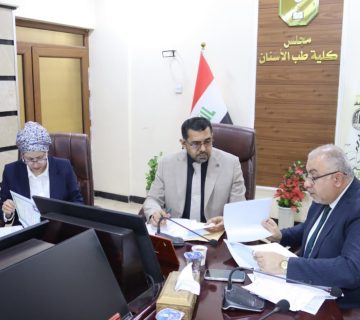
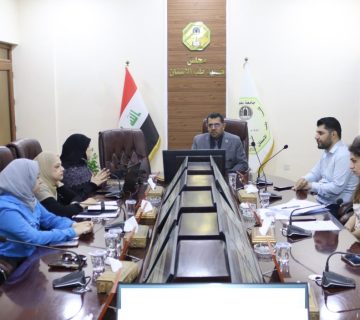
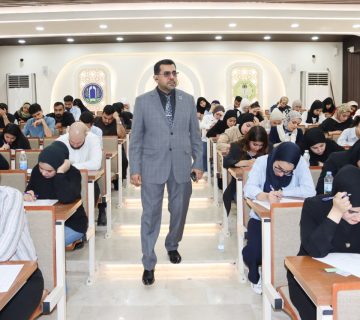
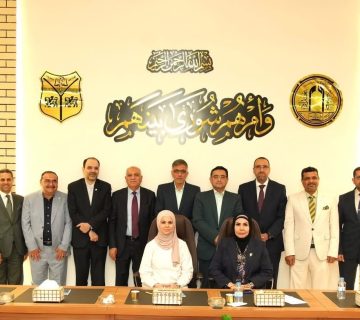
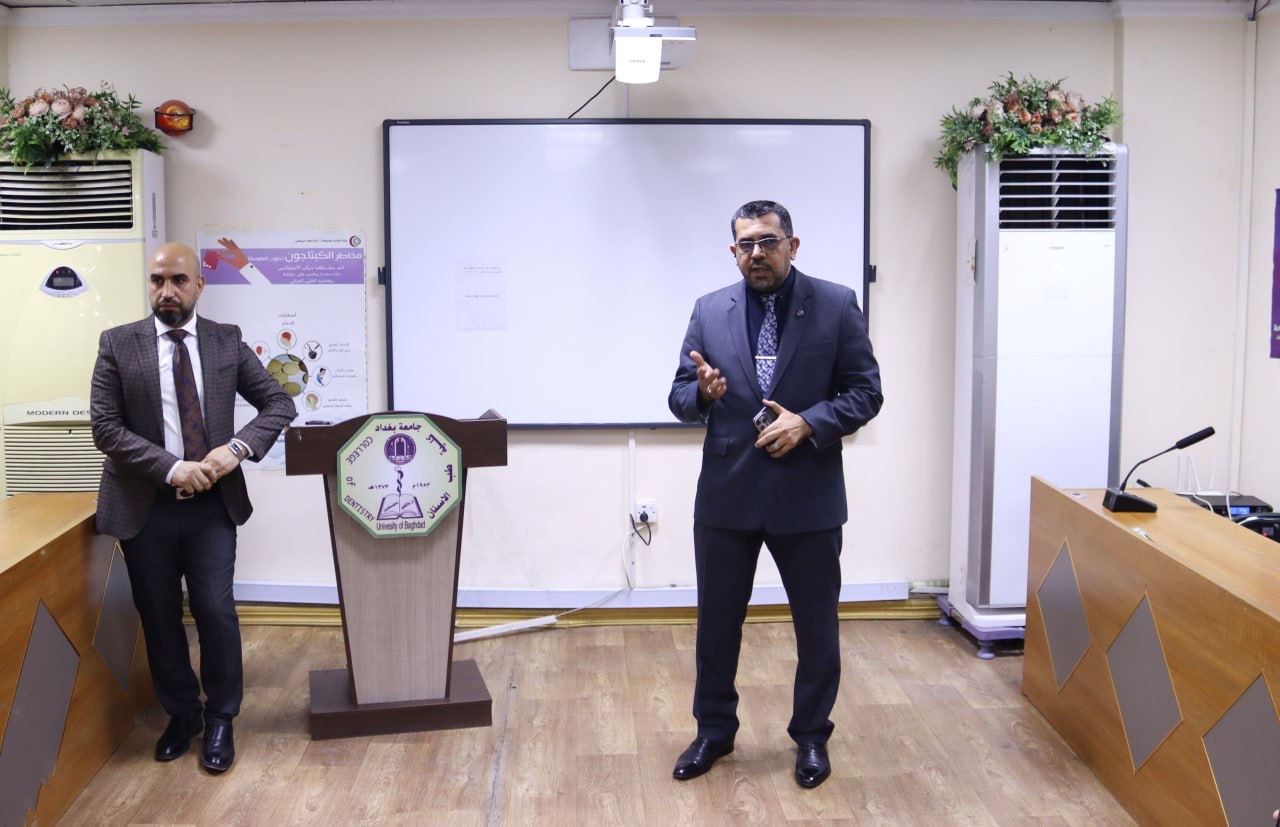
The College of Dentistry at the University of Baghdad, in cooperation with the Federal Integrity Commission, organized a seminar entitled “Ethics of Medical and Educational Professions in Protecting Service Sectors Against Extortion.” The seminar was presented by a legal expert from the Integrity Commission/Department of Education and Public Relations, and was attended by a number of faculty members and staff of the college.
The seminar aimed to solidify the principles of integrity and transparency, promote ethical conduct in the medical and educational professions, raise awareness of the laws and regulations governing employee work, and clarify the role of the Integrity Commission and oversight bodies in combating corruption and reducing instances of administrative and professional extortion. It also aimed to develop legal awareness among employees, thereby contributing to improved institutional performance.
The seminar covered several topics, including the history of the Integrity Commission and the concept of integrity, along with the laws governing its work and jurisdiction. It also addressed the legal status of employees, employment laws, the role of internal oversight, the mechanisms of investigative committees, the definition of an employee’s legal status, the concept of the Financial Control Bureau, and how employees interact with it.
Furthermore, the seminar explored the concept of administrative and professional extortion, its causes and effects on service institutions, and methods of prevention through adherence to the ethics of the medical and educational professions. It also emphasized the importance of promoting integrity and transparency
, presented several case studies, and highlighted the significance of professional conduct in fostering integrity. Finally, the seminar examined mechanisms for raising awareness to cultivate a professional culture that rejects extortion and supports high-quality institutional performance.
The symposium recommended the need to strengthen legal and ethical awareness programs within educational and health institutions, intensify training courses on public service ethics and professional conduct, enhance cooperation between academic institutions and the Integrity Commission to spread a culture of integrity and prevent corruption, and support the role of internal oversight and adherence to applicable legislation in order to contribute to building a safe and transparent work environment based on the values of responsibility, integrity, and the rule of law.